SDG #075 How to Reactivate Dried Solder Paste
Solder paste has a limited shelf life, and hobbyists tend to feel that more than production shops do: a syringe bought for one board sits in a drawer for a year, the volatile carriers evaporate, and what comes out is a stiff, grainy sludge that will not print, will not tack parts down, and balls up instead of wetting pads. This video looks at whether that paste is genuinely scrap or whether it can be brought back to a workable state.
The approach is straightforward chemistry rather than a trick: the solder alloy powder itself does not go bad, so what is missing is the flux vehicle that suspends the spheres and gives the paste its rheology. Blending a small quantity of fresh liquid or paste flux back into the dried material rehydrates the mix and restores something close to the original consistency. RF800 type no-clean flux is used here as the thinning agent, which matters because the flux you add should be chemically compatible with the paste’s original activator system if you want reliable wetting and no unpleasant residue.
For anyone buying paste, the practical takeaways are useful. Cheaper syringes of imported paste are worth rescuing rather than binning, but expect to spend time mixing thoroughly so there are no dry lumps left, and expect slightly less predictable printing behaviour than fresh paste through a fine stencil. Revived paste is best treated as good enough for hand-dispensed prototype work and drag soldering, while fine-pitch stencil jobs still deserve a fresh, refrigerated tub.
More Electronics Projects
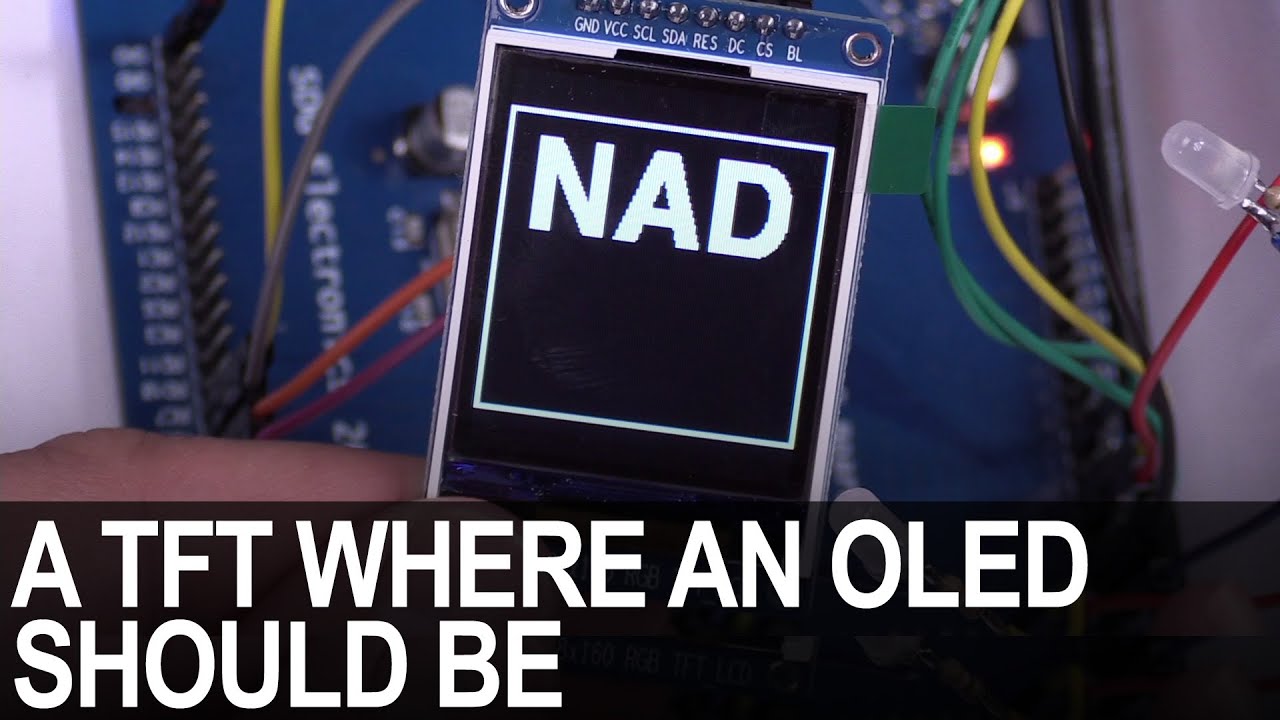
SDG #365 Reverse Engineering NAD D7050 OLED Replacement for IPS TFT
Decoding the NAD D7050's obsolete SSD1355 OLED protocol with a logic analyser, then driving an SSD1351 OLED and ST7735S IPS TFT as replacements.

SDG #360 Zero Crossing Detection and PCBWay 3D Prints
Testing PCBWay nylon PA12 and clear resin wall mounts for a Waveshare 4in ESP32-S3 touch dimmer, plus lower-power zero crossing detection options.

SDG #357 RGB Meteor Shower LEDs Build using ESP32 and WLED
Custom meteor shower Christmas lights built from WS2812 LED PCBs, ESP32 controllers running WLED, acrylic tubes and 3D printed weatherproof caps.