SDG #139 Eliminating Viruses such as COVID-19 with Electricity
This episode steps away from bench tools and into applied high voltage, looking at whether electricity can be used to deactivate viruses and bacteria on surfaces without reaching for liquid disinfectants. The focus is on the mechanisms that actually do the work: ozone generated by corona discharge, ionised air, and the way high field strength and reactive oxygen species attack the lipid envelopes and protein structures that pathogens depend on. That matters because enveloped viruses, the category COVID-19 falls into, are comparatively fragile once that outer layer is disrupted.
The practical side covers what hardware is involved in producing these effects, from high voltage supplies and discharge electrodes to purpose built ozone generator modules, and how exposure time and concentration matter far more than raw voltage. A short burst of corona discharge across a surface is not the same as a sustained, controlled ozone soak in a sealed volume, and the video is useful precisely because it makes that distinction clear rather than treating high voltage as a magic wand.
The safety commentary deserves as much attention as the technique. Ozone is a respiratory irritant at low concentrations and genuinely dangerous at higher ones, high voltage supplies can be lethal, and discharge also produces nitrogen oxides in air. Anyone tempted to replicate this should treat it as an experiment requiring ventilation, containment and proper isolation, not a household cleaning hack.
For viewers interested in the electronics rather than the epidemiology, it is a solid introduction to corona discharge behaviour and what commercial ozone sanitising equipment is really doing under the hood.
More Electronics Projects
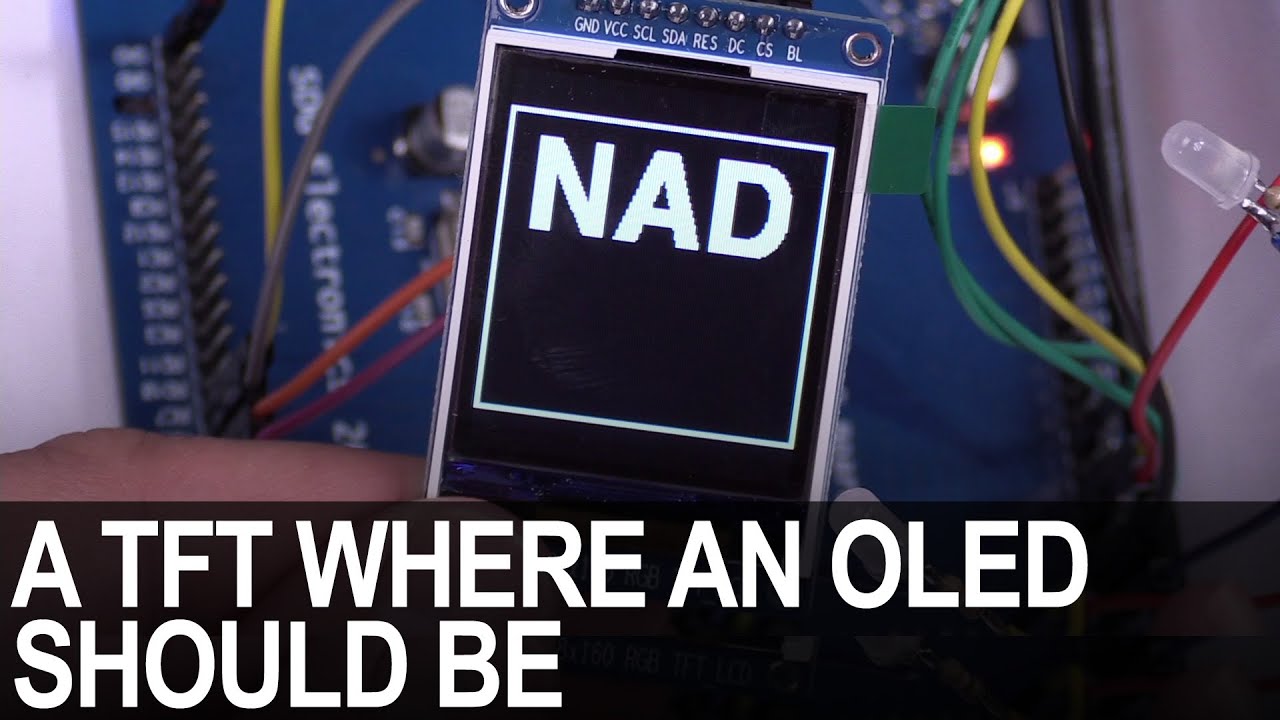
SDG #365 Reverse Engineering NAD D7050 OLED Replacement for IPS TFT
Decoding the NAD D7050's obsolete SSD1355 OLED protocol with a logic analyser, then driving an SSD1351 OLED and ST7735S IPS TFT as replacements.

SDG #360 Zero Crossing Detection and PCBWay 3D Prints
Testing PCBWay nylon PA12 and clear resin wall mounts for a Waveshare 4in ESP32-S3 touch dimmer, plus lower-power zero crossing detection options.

SDG #357 RGB Meteor Shower LEDs Build using ESP32 and WLED
Custom meteor shower Christmas lights built from WS2812 LED PCBs, ESP32 controllers running WLED, acrylic tubes and 3D printed weatherproof caps.