SDG #094 Make life easier and make things look professional
This episode is less about a single product and more about the small habits and bench choices that separate a scrappy hobby build from something that looks like it came out of a professional workshop. The focus is on repeatable technique: preparing joints properly, choosing the right tip geometry for the job, and using flux deliberately rather than hoping solder alone will behave.
Tip selection comes up as one of the cheapest quality upgrades available. Swapping to a suitable T12 cartridge, such as a bevel or chisel profile like the BCM3 style, gives far more heat transfer into a pad than a fine conical tip, which in turn means shorter dwell times, less pad stress and neater fillets. Paired with a decent tip cleaner and a bit of discipline about tinning, cartridge life improves noticeably and joints stop looking dull or lumpy.
Flux paste is treated as a consumable worth thinking about rather than a generic bottle on the shelf. Different pastes vary in activity, residue and how well they hold a component in place during placement, and the difference shows up most on drag soldering and fine pitch rework. Working under a stereo microscope or a camera head is presented as the other force multiplier: once you can actually see bridges, tombstoned parts and cold joints, inspection becomes fast instead of guesswork.
For anyone building projects that will be seen by others, the takeaway is that presentation is mostly process. Consistent wire dressing, sensible strain relief, clean flux removal and considered board layout cost almost nothing but transform the perceived quality of the finished item.
More Electronics Projects
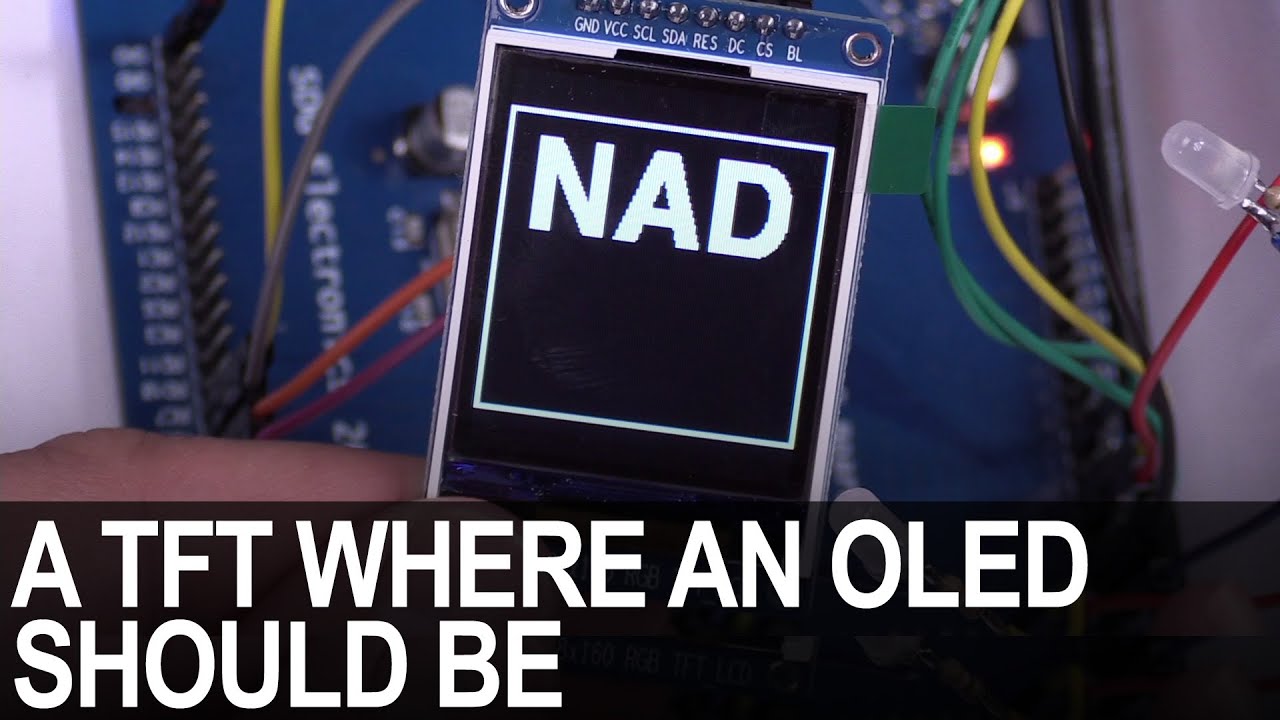
SDG #365 Reverse Engineering NAD D7050 OLED Replacement for IPS TFT
Decoding the NAD D7050's obsolete SSD1355 OLED protocol with a logic analyser, then driving an SSD1351 OLED and ST7735S IPS TFT as replacements.

SDG #360 Zero Crossing Detection and PCBWay 3D Prints
Testing PCBWay nylon PA12 and clear resin wall mounts for a Waveshare 4in ESP32-S3 touch dimmer, plus lower-power zero crossing detection options.

SDG #357 RGB Meteor Shower LEDs Build using ESP32 and WLED
Custom meteor shower Christmas lights built from WS2812 LED PCBs, ESP32 controllers running WLED, acrylic tubes and 3D printed weatherproof caps.