SDG #162 Easily adding a Colour TFT to your electronics project
Adding a colour graphical display to a hobby or small commercial project usually means wrestling with graphics libraries, frame buffers and a microcontroller that has enough RAM and spare pins to drive a parallel panel. This video looks at the alternative: an intelligent HMI TFT module that handles rendering itself and talks to your host board over a simple serial link.
The practical appeal here is the division of labour. The screen module carries its own controller, flash storage for images and fonts, and a PC based design tool where pages, buttons, gauges and text fields are laid out visually. Once the project is uploaded to the panel, your microcontroller only needs a UART and a handful of short commands to update a value or switch pages. That means an 8 bit AVR or a cheap STM32 can drive a full colour touchscreen interface that would otherwise be well beyond its resources, and the firmware side stays readable rather than becoming a mass of drawing calls.
Worth weighing before you commit: you are tied to the vendor’s editor and command protocol, the learning curve moves from C code to understanding how the design software addresses controls, and the module cost is higher than a bare SPI panel. Documentation quality for these Chinese HMI displays is also variable, so expect some experimentation. For panel meters, test gear front ends, control boxes and any project where a polished interface matters more than absolute cost, the serial HMI approach is a genuine shortcut that removes most of the difficult work from the host firmware.
More Product Reviews

Festive Free Coupons and PCB Upgrades #electronicscreators #3dprinting #pcb
A quick look at December PCB fabrication offers: free pink, purple or matte black solder mask upgrades, half price 3D printing, and coupon codes.
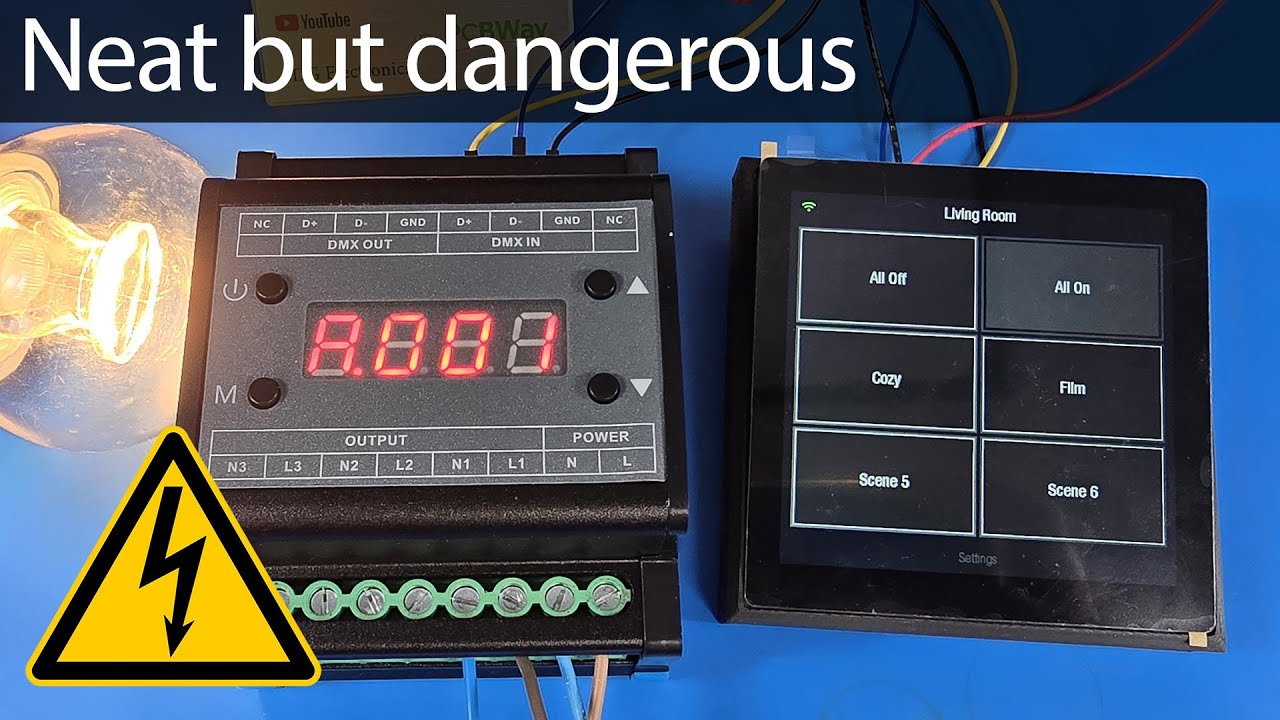
SDG #359 Dodgy AliExpress MOSFET-based multichannel AC Dimmer
Teardown and testing of a 3-channel DMX512 MOSFET AC trailing edge dimmer from AliExpress. Good circuit design, but the PCB isolation is a serious safety fail.
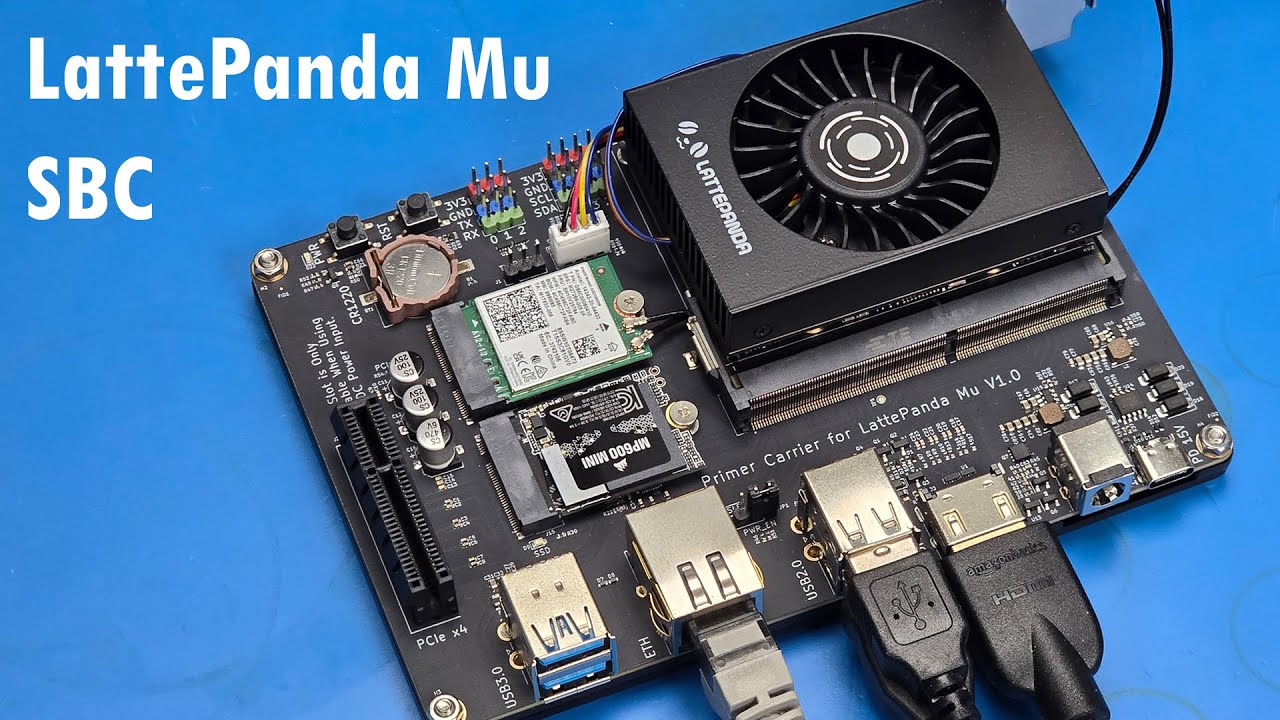
SDG #346 LattePanda Mu Small Board Computer
Hands-on with the LattePanda Mu compute module and carrier board: Intel N100, 8GB LPDDR5, PCIe x4, power draw tested and Raspberry Pi 5 compared.