SDG #147 Brake Cleaner - Low cost effortless PCB cleaning!
Flux remover sold specifically for electronics work is expensive for what it is, usually a solvent blend in an aerosol can at a hefty markup. This video looks at a much cheaper alternative sitting on the shelf of every motor factor and hardware shop: aerosol brake cleaner. The chemistry overlaps heavily, and a large can typically costs a fraction of what a small can of branded PCB cleaner does, which makes it worth understanding where it works and where it bites back.
The practical test is flux residue removal on populated boards, including sticky rosin and no clean residues that have been baked in by hot air rework. The high pressure aerosol does a lot of the work mechanically, blasting residue off pads and out from under components, and the fast evaporation means boards dry almost instantly with no water rinse or bake out required. That combination is what makes it appealing for anyone cleaning boards regularly rather than occasionally.
The caveats matter more than the performance. Formulations vary a lot between brands, so some contain acetone or other aggressive solvents that will attack silkscreen, component markings, plastic connectors, LCD bezels, relay housings and switch bodies. Non chlorinated versions are generally the safer choice, and testing on scrap board first is sensible. Ventilation is essential given the solvent load, and the residue needs somewhere to go, so cleaning over paper or a tray beats letting solvent pool under components.
For a bench that goes through a lot of flux, this is a genuinely useful cost saving trick, provided you pick the formulation carefully and keep it away from anything plastic that you care about.
More Product Reviews

Festive Free Coupons and PCB Upgrades #electronicscreators #3dprinting #pcb
A quick look at December PCB fabrication offers: free pink, purple or matte black solder mask upgrades, half price 3D printing, and coupon codes.
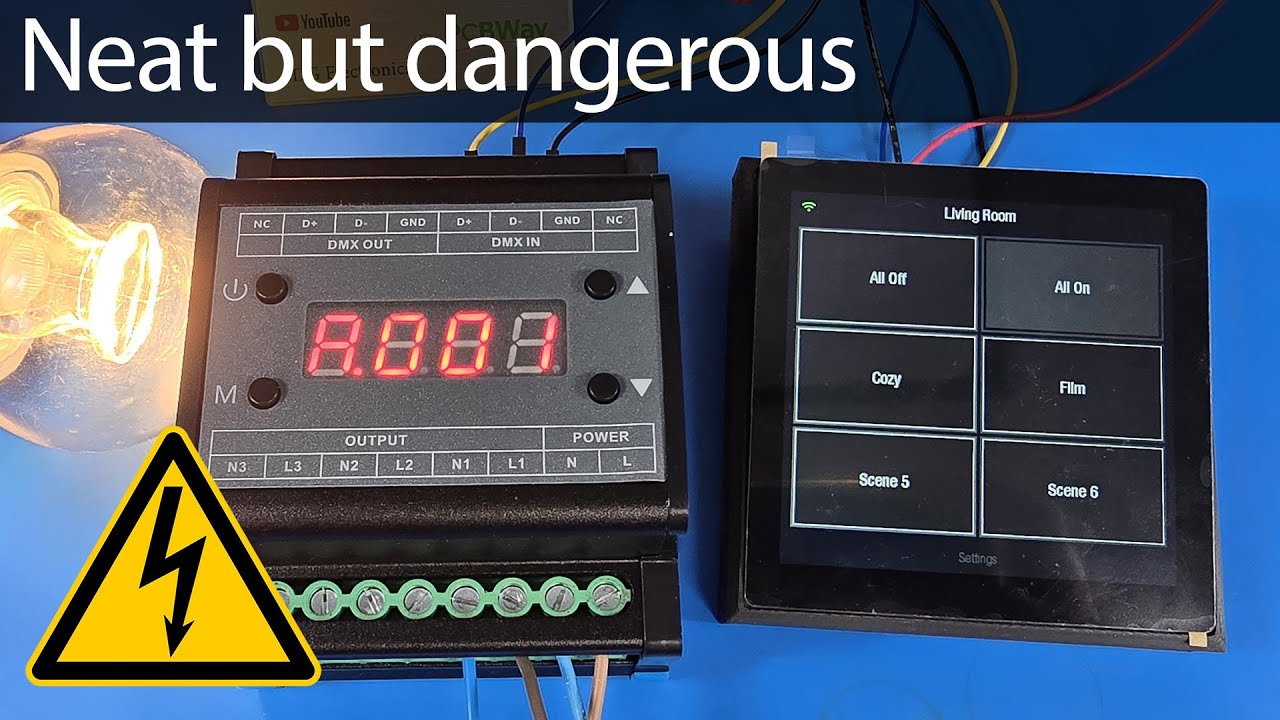
SDG #359 Dodgy AliExpress MOSFET-based multichannel AC Dimmer
Teardown and testing of a 3-channel DMX512 MOSFET AC trailing edge dimmer from AliExpress. Good circuit design, but the PCB isolation is a serious safety fail.
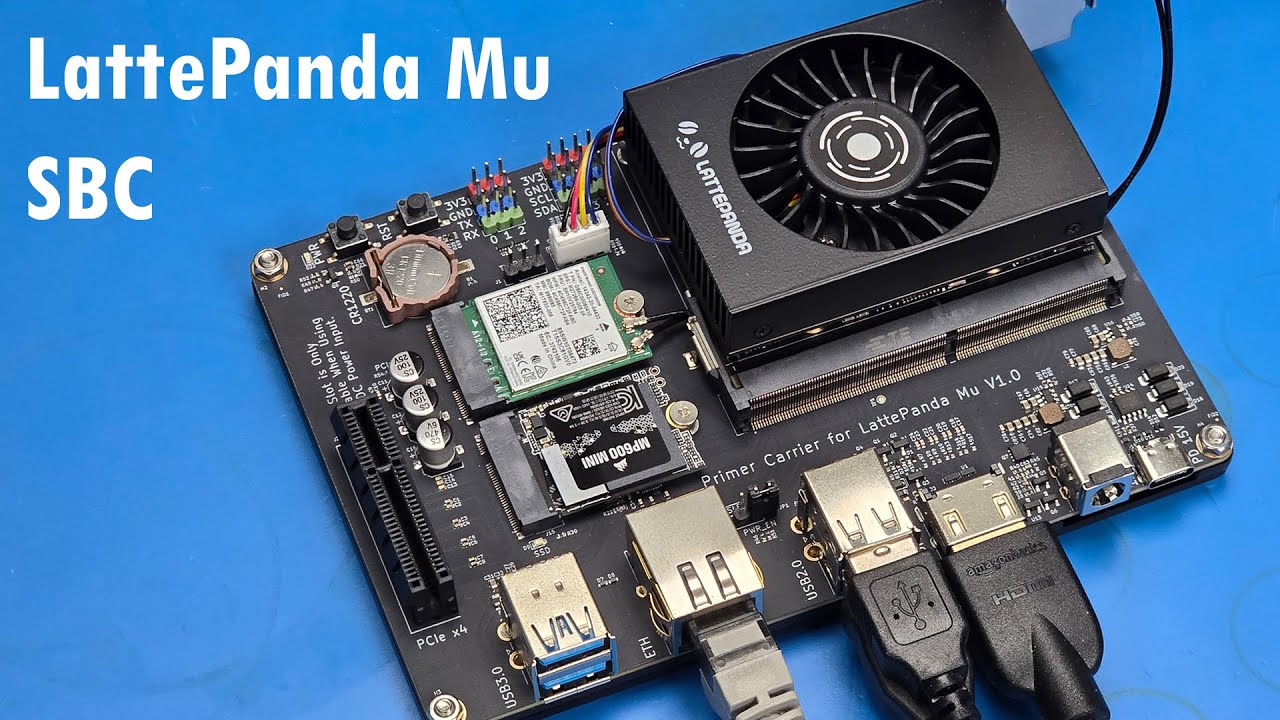
SDG #346 LattePanda Mu Small Board Computer
Hands-on with the LattePanda Mu compute module and carrier board: Intel N100, 8GB LPDDR5, PCIe x4, power draw tested and Raspberry Pi 5 compared.