SDG #048 DMX Controlled RGB Linear Light Strips
Budget DMX512 fixtures show up on the used and surplus market constantly, usually pulled from bars, clubs or event hire stock, and they can look like a bargain until you open one up. This video takes a set of RGB linear LED light bars bought cheaply online and works through the practical questions a buyer actually cares about: what condition second hand stage lighting arrives in, how the DMX in and out connectors are wired, how the addressing and mode selection is handled on the fixture itself, and whether the LED output is bright and consistent enough to be useful for anything beyond decorative wash lighting.
The teardown side is where these fixtures tend to reveal their price point. Cheap linear bars typically use a simple switch mode supply feeding constant voltage LED strings with basic transistor or MOSFET channel drivers, plus a small microcontroller decoding the DMX frame. That architecture is cheap and repairable, but it also explains the common complaints: visible PWM flicker on camera, colour mismatch between units in the same batch, and poor dimming resolution at the bottom of the fade curve. Checking how a fixture behaves at low intensity, and how cleanly it responds to a DMX controller sweeping channels, is a far better test than simply seeing if it lights up.
For anyone building a small lighting rig, running LED accents in a workshop or studio, or looking for a cheap platform to experiment with DMX control and custom firmware, this is a useful reality check on what secondhand RGB bars deliver versus what they cost. The verdict comes down to whether you value the housing, optics and power supply enough to tolerate the electronics inside.
More Product Reviews

Festive Free Coupons and PCB Upgrades #electronicscreators #3dprinting #pcb
A quick look at December PCB fabrication offers: free pink, purple or matte black solder mask upgrades, half price 3D printing, and coupon codes.
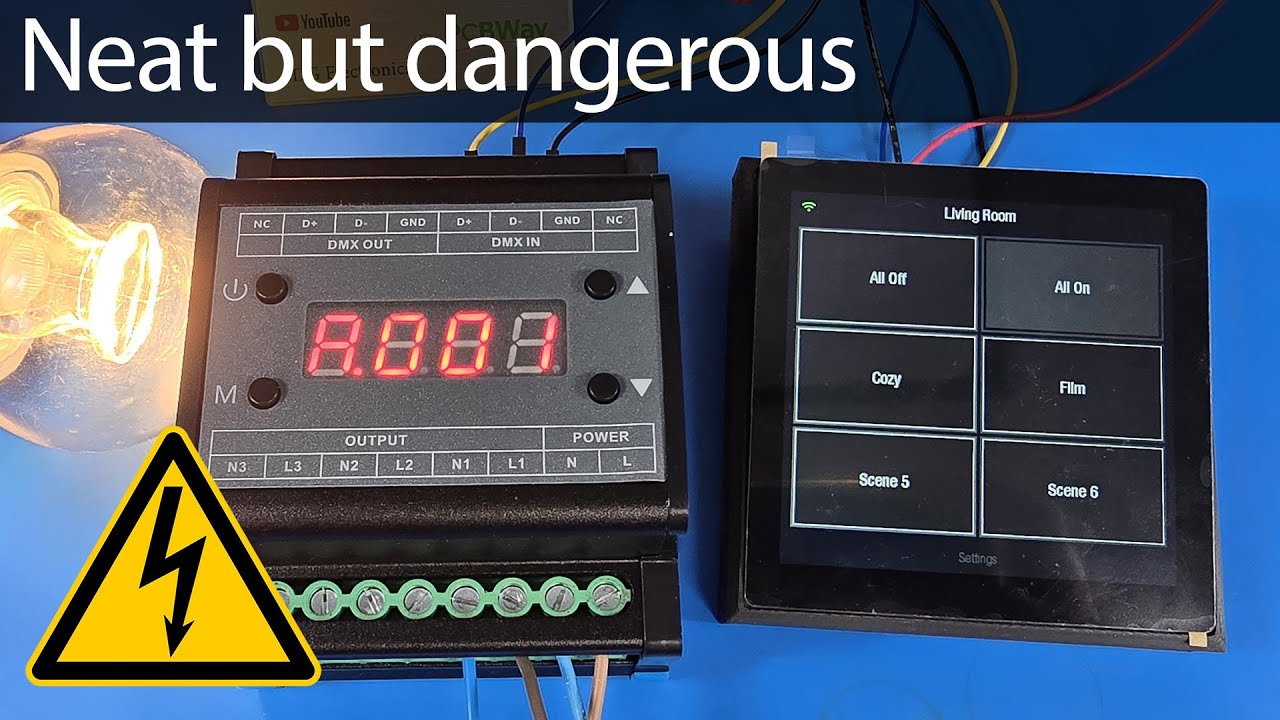
SDG #359 Dodgy AliExpress MOSFET-based multichannel AC Dimmer
Teardown and testing of a 3-channel DMX512 MOSFET AC trailing edge dimmer from AliExpress. Good circuit design, but the PCB isolation is a serious safety fail.
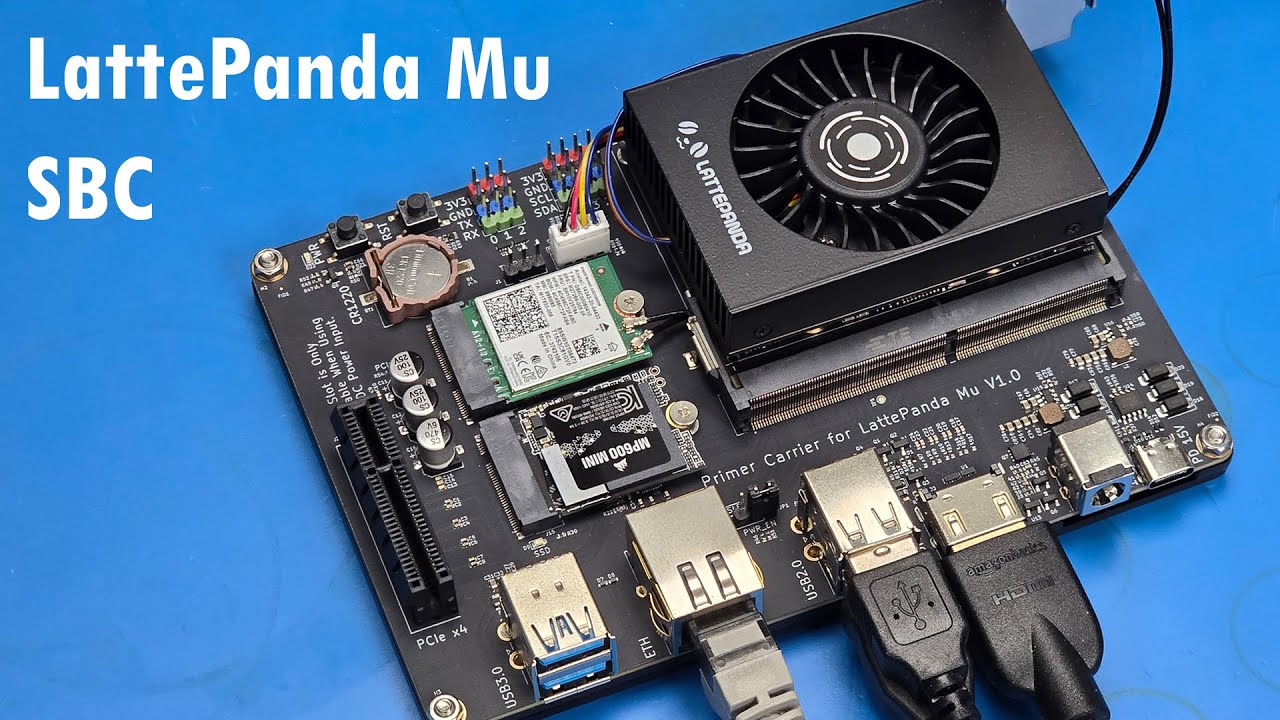
SDG #346 LattePanda Mu Small Board Computer
Hands-on with the LattePanda Mu compute module and carrier board: Intel N100, 8GB LPDDR5, PCIe x4, power draw tested and Raspberry Pi 5 compared.