SDG #189 JLCPCB NEW UPDATES to SMT Assembly Service!
This episode looks at how JLCPCB’s SMT assembly (PCBA) offering has changed, and what those changes mean if you are deciding between hand-populating boards yourself and paying to have them machine-assembled. The focus is practical rather than promotional: which parts are actually stocked, what happens when a component in your BOM is not in the library, and how the extra fees stack up once you add stencil, setup and per-joint charges to the base PCB price.
Key ground covered includes the expanded component library and the shift away from being limited to a small basic parts list, support for placement on both sides of a board rather than the top layer only, and larger allowable board sizes. There is also discussion of the ordering workflow itself, which is where most first-time PCBA orders go wrong: exporting a BOM with correct designators and LCSC part numbers, generating a component placement (CPL/pick-and-place) file with consistent origin and rotation data, and reviewing the online placement preview before confirming, since a rotated polarised part is the classic failure mode.
The useful takeaway for a hobbyist is a cost threshold. For a handful of prototypes with only a few passives, hand soldering with paste and hot air is still cheaper and faster. Once a design includes fine-pitch QFNs, BGAs, dozens of 0402s, or you need more than about five identical boards, paid assembly starts to look reasonable, especially when the alternative is buying reels of parts you will never use again. Worth watching before you commit a first PCBA order and discover the extra line items at checkout.
More Product Reviews

Festive Free Coupons and PCB Upgrades #electronicscreators #3dprinting #pcb
A quick look at December PCB fabrication offers: free pink, purple or matte black solder mask upgrades, half price 3D printing, and coupon codes.
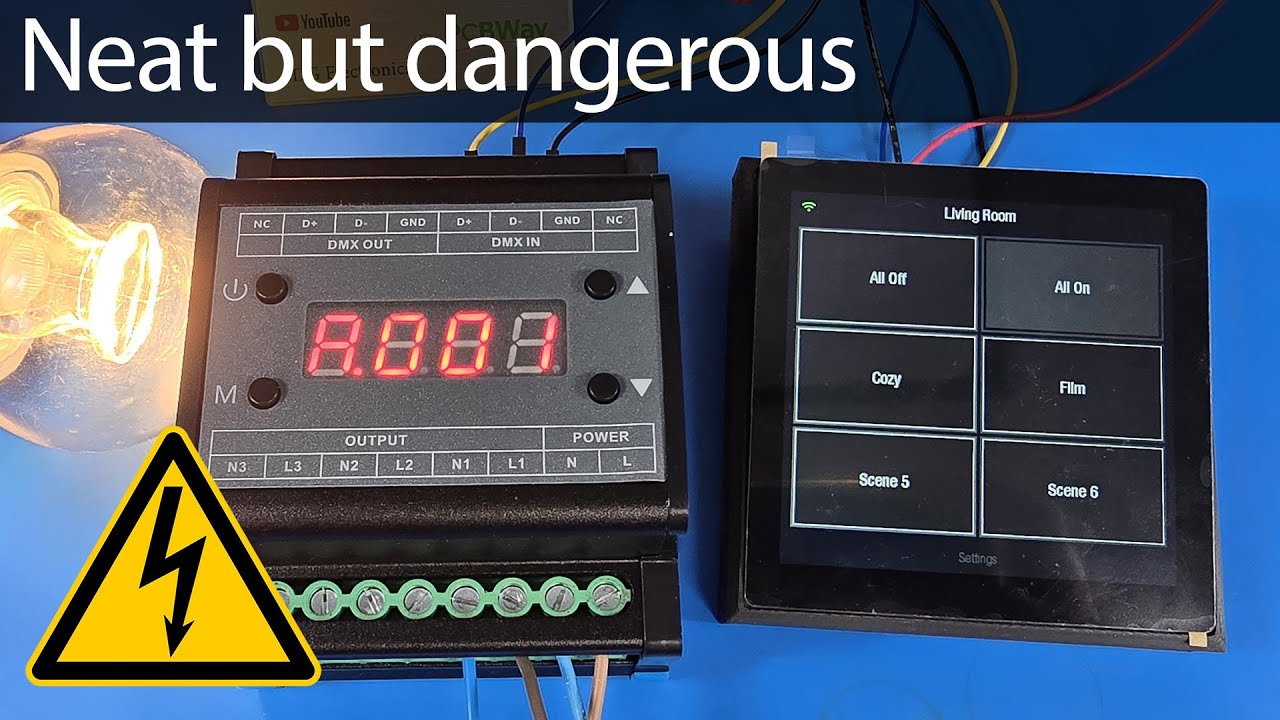
SDG #359 Dodgy AliExpress MOSFET-based multichannel AC Dimmer
Teardown and testing of a 3-channel DMX512 MOSFET AC trailing edge dimmer from AliExpress. Good circuit design, but the PCB isolation is a serious safety fail.
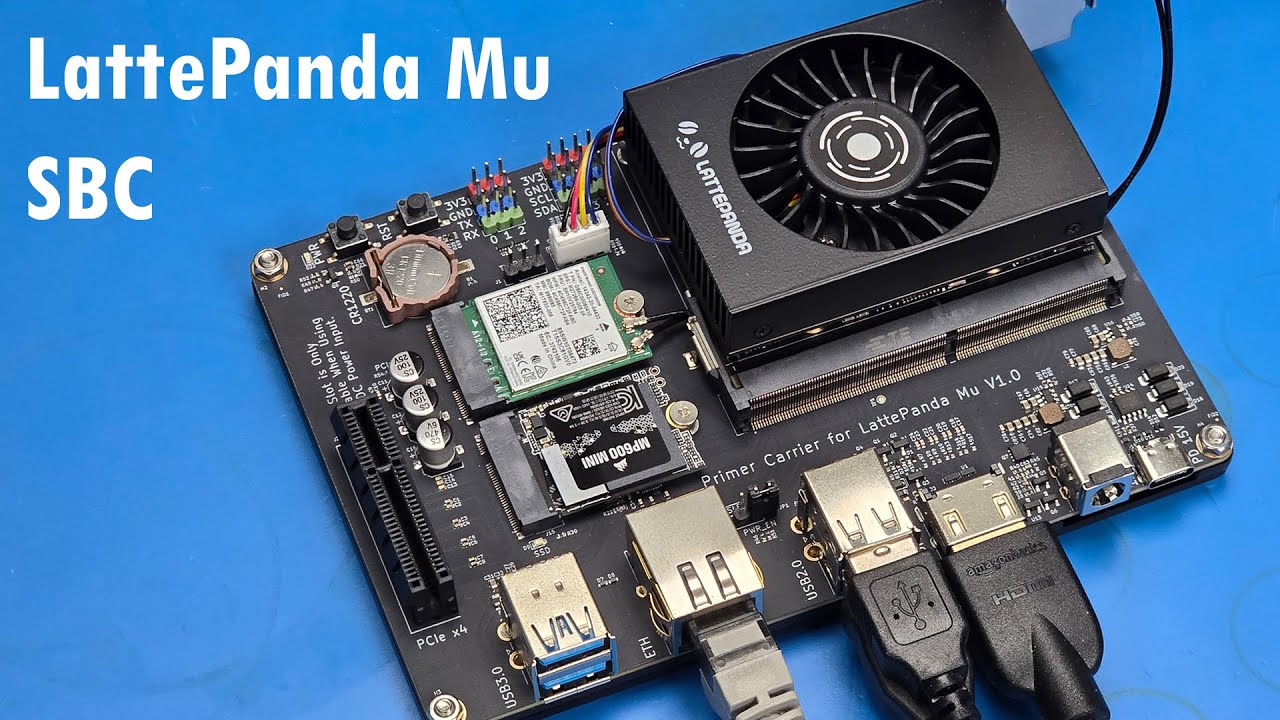
SDG #346 LattePanda Mu Small Board Computer
Hands-on with the LattePanda Mu compute module and carrier board: Intel N100, 8GB LPDDR5, PCIe x4, power draw tested and Raspberry Pi 5 compared.