SDG #067 Don't blow up your oscilloscope! Micsig Differential Probe for $140! (See link)
Probing mains-referenced or floating circuits with a standard passive probe is one of the fastest ways to destroy an oscilloscope, blow a fuse, or give yourself a serious shock, because the probe ground clip ties your measurement point straight to earth through the scope chassis. This review looks at the Micsig differential probe as the sensible answer to that problem, and explains why a differential front end is a better solution than the common workshop bodges of floating the scope with a cheater plug or using an isolation transformer.
The practical points a buyer cares about are covered: the high common mode voltage rating that lets you sit both inputs well above earth potential, the switchable attenuation ratios and how they trade off between resolution on small signals and headroom on high voltage rails, and the bandwidth on offer relative to the price. Common mode rejection is the specification that really matters here, since a differential probe is only as good as its ability to ignore the large voltage both leads share while faithfully reproducing the small difference between them. Build quality, lead set, and the power arrangement for the active electronics are also considered.
The verdict is aimed at hobbyists and repair techs working on switch mode power supplies, motor drives, inverters, and half bridge topologies, where high side gate drive and unreferenced nodes are routine. At this price point a probe like this is far cheaper than replacing a damaged scope front end, and it makes measurements possible that simply cannot be done safely any other way. Anyone poking around live SMPS boards should treat it as essential kit rather than a luxury accessory.
More Product Reviews

Festive Free Coupons and PCB Upgrades #electronicscreators #3dprinting #pcb
A quick look at December PCB fabrication offers: free pink, purple or matte black solder mask upgrades, half price 3D printing, and coupon codes.
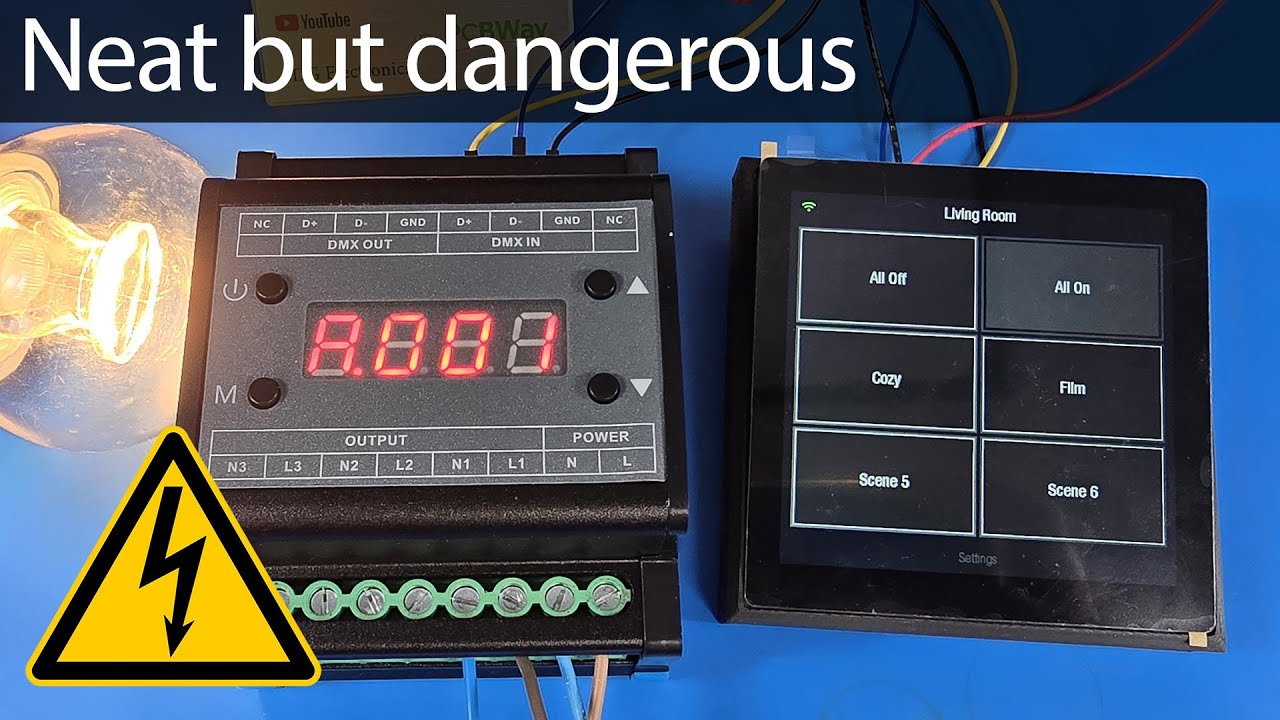
SDG #359 Dodgy AliExpress MOSFET-based multichannel AC Dimmer
Teardown and testing of a 3-channel DMX512 MOSFET AC trailing edge dimmer from AliExpress. Good circuit design, but the PCB isolation is a serious safety fail.
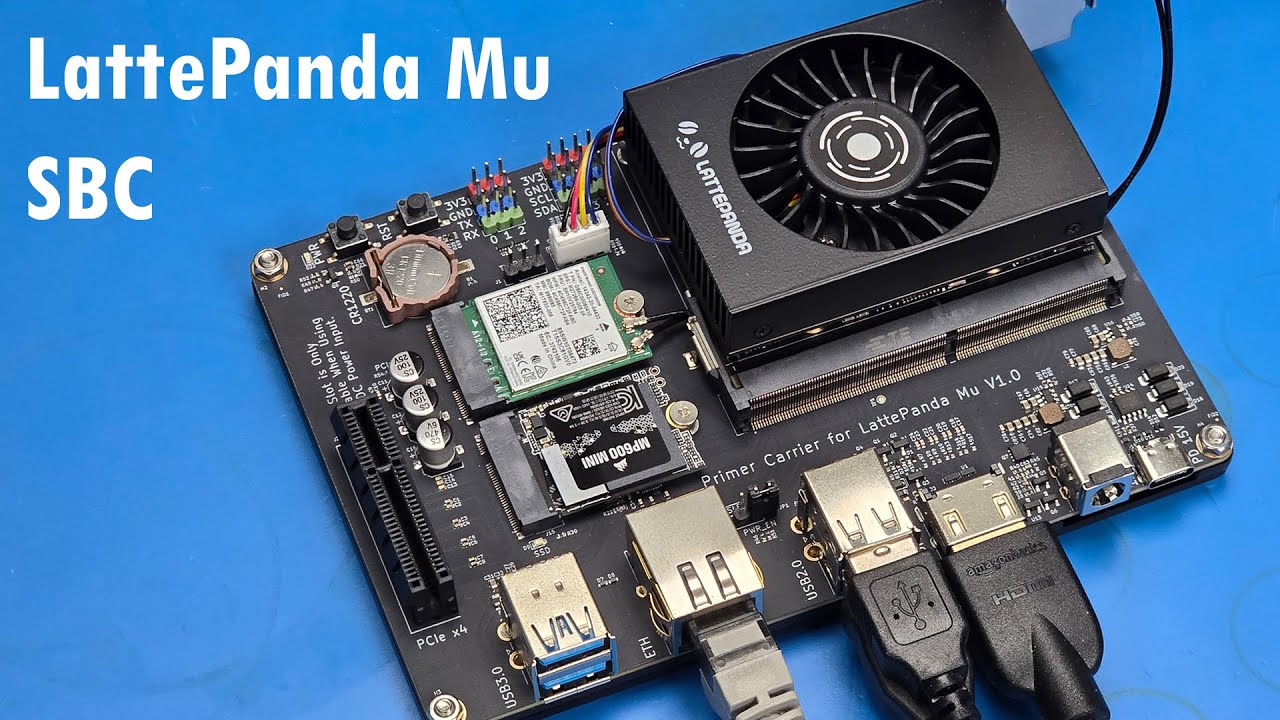
SDG #346 LattePanda Mu Small Board Computer
Hands-on with the LattePanda Mu compute module and carrier board: Intel N100, 8GB LPDDR5, PCIe x4, power draw tested and Raspberry Pi 5 compared.