SDG #314 Ohme Home Pro, Intelligent Octopus and Home Battery Charging
This build-and-teardown session looks at the Ohme Home Pro wall charger from two angles: how it actually talks to a car, and what the hardware inside is capable of. To probe the first question, a small open source EV simulator board is assembled first, giving a switchable resistor and diode network on the CP and PP lines that mimics the states a vehicle presents to an EVSE. Paired with an oscilloscope, that makes the control pilot conversation visible instead of theoretical.
The walkthrough of the J1772/IEC 61851 handshake is the most useful part for anyone trying to understand smart charging. The 1kHz PWM duty cycle on the control pilot encodes the current the charge point is willing to supply, while the vehicle pulls the pilot voltage down through resistors to signal connected, ready, and ventilation states. Watching the Ohme Home Pro adjust its duty cycle in response confirms how tariff-driven scheduling actually reaches the car: the charger modulates the advertised current rather than simply switching contactors on and off, which matters when trying to track a solar surplus or a cheap import window.
The teardown covers construction quality, the contactor and metering arrangement, current sensing, isolation between mains and control electronics, and the communications hardware that keeps the unit tied to its cloud scheduling. That context feeds directly into the wider question raised here about pairing an EV charger with a home battery and a time-of-use tariff, where control granularity and response time decide whether the setup genuinely saves money or just shifts load awkwardly. Useful viewing before committing to a specific charger and tariff combination.
More Product Reviews

Festive Free Coupons and PCB Upgrades #electronicscreators #3dprinting #pcb
A quick look at December PCB fabrication offers: free pink, purple or matte black solder mask upgrades, half price 3D printing, and coupon codes.
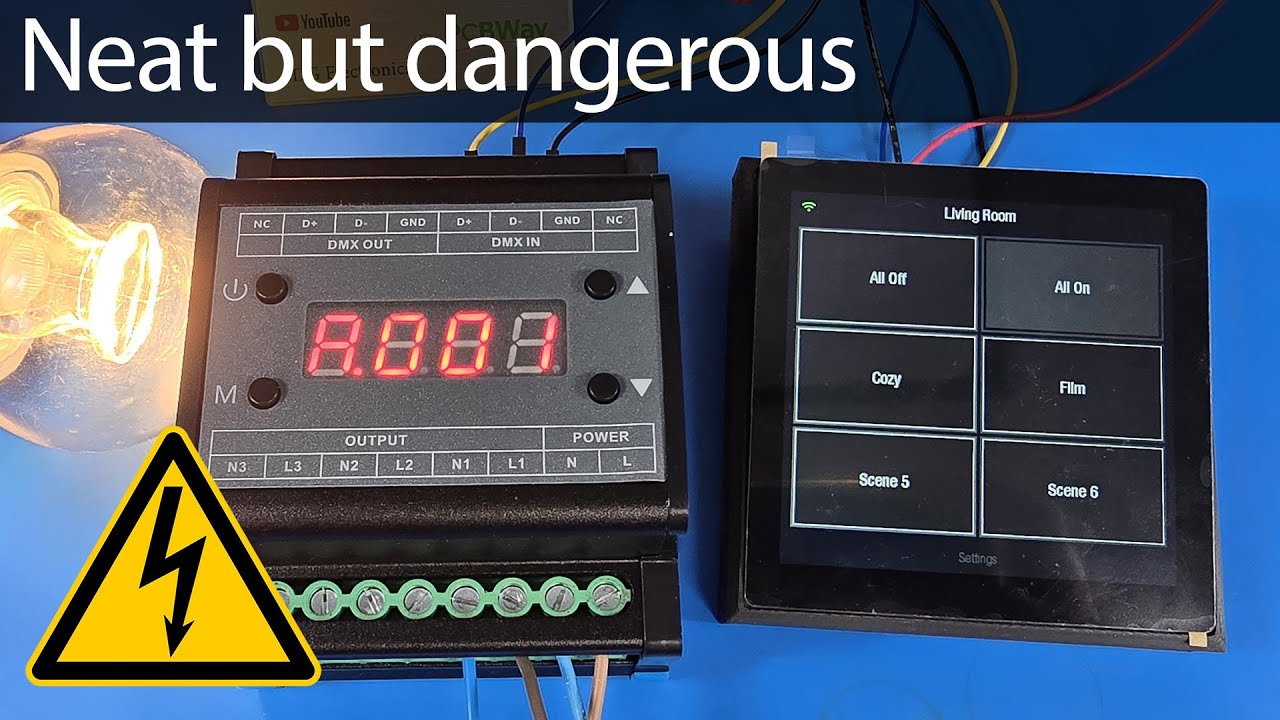
SDG #359 Dodgy AliExpress MOSFET-based multichannel AC Dimmer
Teardown and testing of a 3-channel DMX512 MOSFET AC trailing edge dimmer from AliExpress. Good circuit design, but the PCB isolation is a serious safety fail.
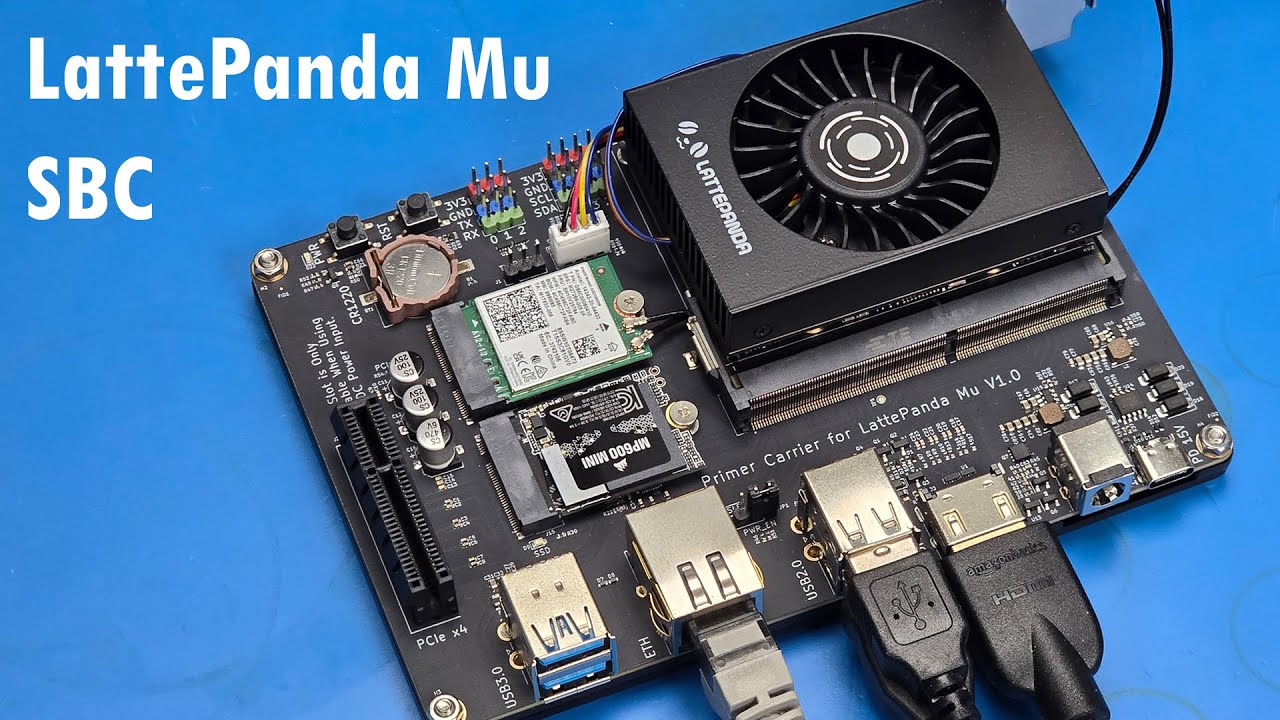
SDG #346 LattePanda Mu Small Board Computer
Hands-on with the LattePanda Mu compute module and carrier board: Intel N100, 8GB LPDDR5, PCIe x4, power draw tested and Raspberry Pi 5 compared.