SDG #195 Actual UVC LEDs for Sterilisation and Disinfecting
Most “UV sterilising” gadgets sold online use cheap 395nm to 405nm purple LEDs that do almost nothing to microbes. This video looks at the real thing: genuine deep UV emitters in the germicidal 260nm to 285nm band, including the TONYU DY-3535UVCA plus Para Light L3535UVC-K1PC, LT3535UVC-KPC and LT5050UVC-XPC parts, along with a combined UVA/UVC device from Tuozhan.
The interesting engineering story here is why these parts behave so differently from ordinary LEDs. Aluminium gallium nitride is needed to reach such a short wavelength, and the wide bandgap plus poor doping efficiency pushes forward voltage up to roughly 6V, far above a blue or white LED. Efficiency is dire by comparison too, with only a few milliwatts of optical output for hundreds of milliwatts of input, so heat management and realistic expectations both matter. Macro shots show the ceramic substrate and the quartz or fused silica window that ordinary silicone and epoxy encapsulants cannot replace, since normal plastics both block and degrade under UVC.
Mounting is also less forgiving than a standard 3535 package, and reflow rather than hand soldering is the sensible route given the thermal pad and the small ceramic body. Testing covers current versus voltage behaviour, visible output which is only a faint glow because the eye barely responds at these wavelengths, and fluorescence checks that confirm short wavelength emission rather than a repackaged violet die. A practical demonstration on an apple shows the exposure times involved and makes the key buying point clear: real UVC LEDs work, but low output means dose, distance and time are everything, and eye and skin protection are not optional.
More Product Reviews

Festive Free Coupons and PCB Upgrades #electronicscreators #3dprinting #pcb
A quick look at December PCB fabrication offers: free pink, purple or matte black solder mask upgrades, half price 3D printing, and coupon codes.
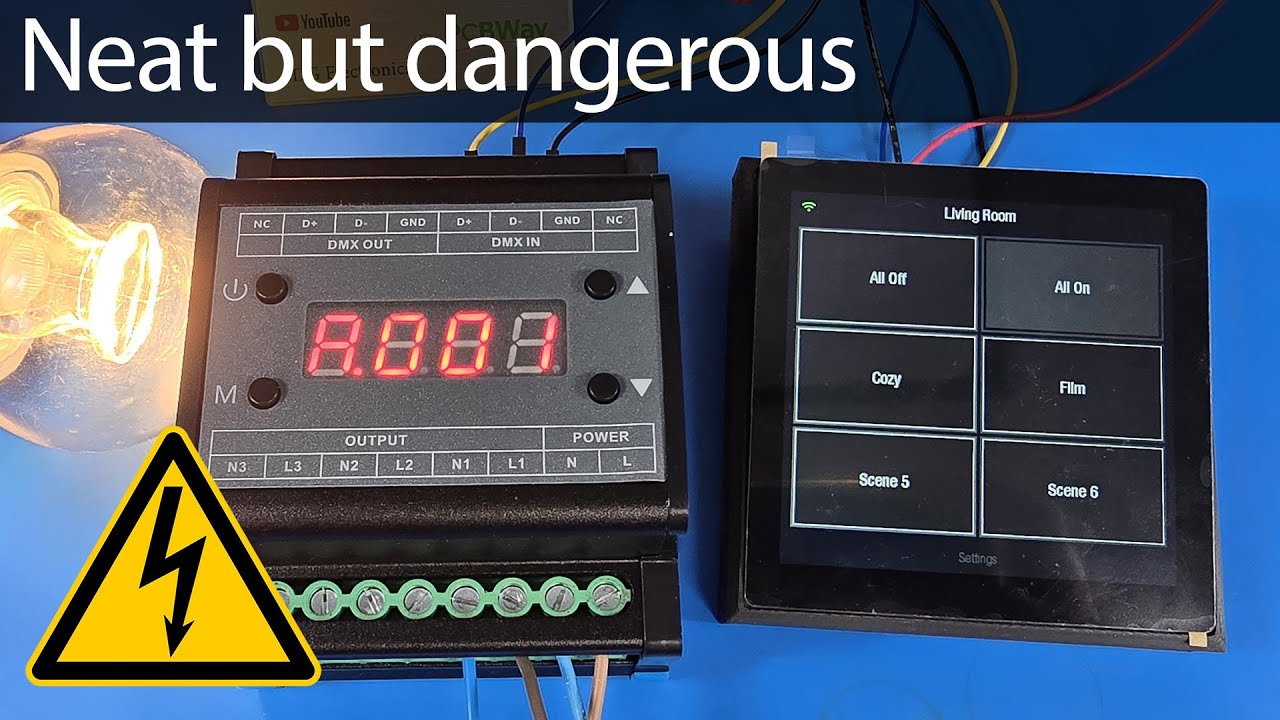
SDG #359 Dodgy AliExpress MOSFET-based multichannel AC Dimmer
Teardown and testing of a 3-channel DMX512 MOSFET AC trailing edge dimmer from AliExpress. Good circuit design, but the PCB isolation is a serious safety fail.
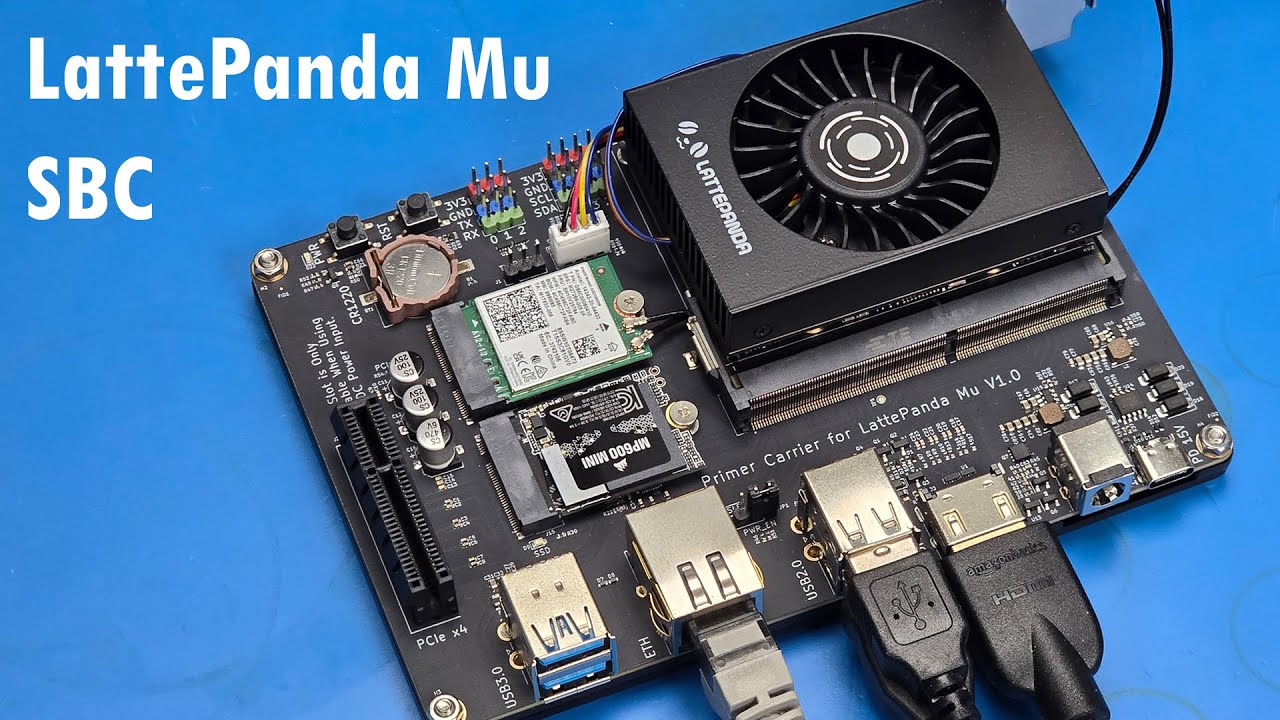
SDG #346 LattePanda Mu Small Board Computer
Hands-on with the LattePanda Mu compute module and carrier board: Intel N100, 8GB LPDDR5, PCIe x4, power draw tested and Raspberry Pi 5 compared.