SDG #255 SAC305, SAC405, Sc100e, 60/40 Lead/Lead Free Solder Comparison using SolderKing
Lead free solder still has a reputation for being harder to work with than traditional tin/lead, so this comparison puts three common lead free alloys up against a familiar 60/40 baseline using SolderKing UK made wire. The alloys covered are SAC305 (tin, 3% silver, 0.5% copper), SAC405 with its higher 4% silver content, and Sc100e, a tin/copper/nickel alloy that drops silver entirely and is often chosen for cost sensitive or wave soldering work.
Testing focuses on the two things that actually change the feel of soldering at the bench: how freely the molten alloy flows and spreads, and how long the flux stays active before the joint goes dull and sluggish. Each wire is then used for through-hole joints on bare test boards so barrel fill, fillet shape and surface finish can be compared side by side under the microscope, rather than judged by datasheet numbers alone.
The practical takeaways are useful for anyone stocking a single reel. Leaded 60/40 remains the easiest to push around with the lowest tip temperature demands, and the silver bearing SAC alloys wet noticeably better than the silver free option, which needs more heat and more patience to produce a clean fillet. Cosmetics also differ: lead free joints are inherently grainier and less shiny, so a matte finish is not automatically a bad joint. For hobby rework, leaded wire is still the path of least resistance, but if RoHS compliance or matching an existing lead free assembly matters, SAC305 is the sensible middle ground on cost, wetting and joint appearance.
More Product Reviews

Festive Free Coupons and PCB Upgrades #electronicscreators #3dprinting #pcb
A quick look at December PCB fabrication offers: free pink, purple or matte black solder mask upgrades, half price 3D printing, and coupon codes.
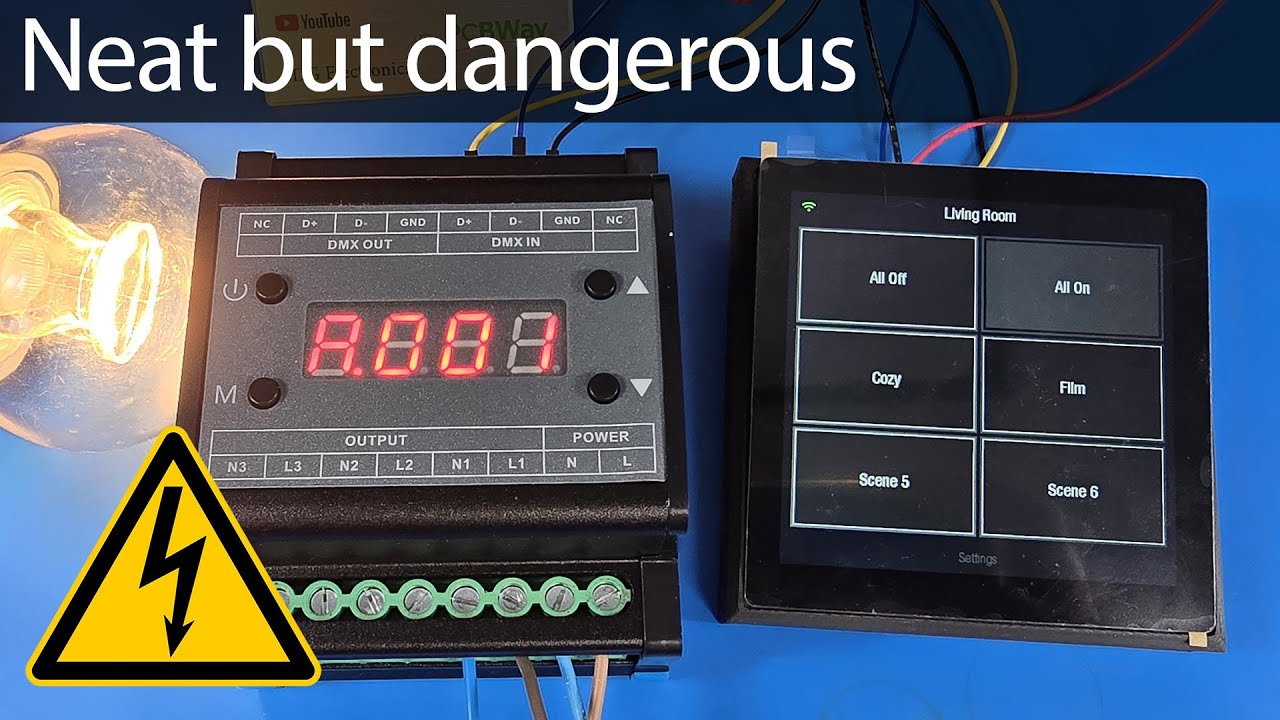
SDG #359 Dodgy AliExpress MOSFET-based multichannel AC Dimmer
Teardown and testing of a 3-channel DMX512 MOSFET AC trailing edge dimmer from AliExpress. Good circuit design, but the PCB isolation is a serious safety fail.
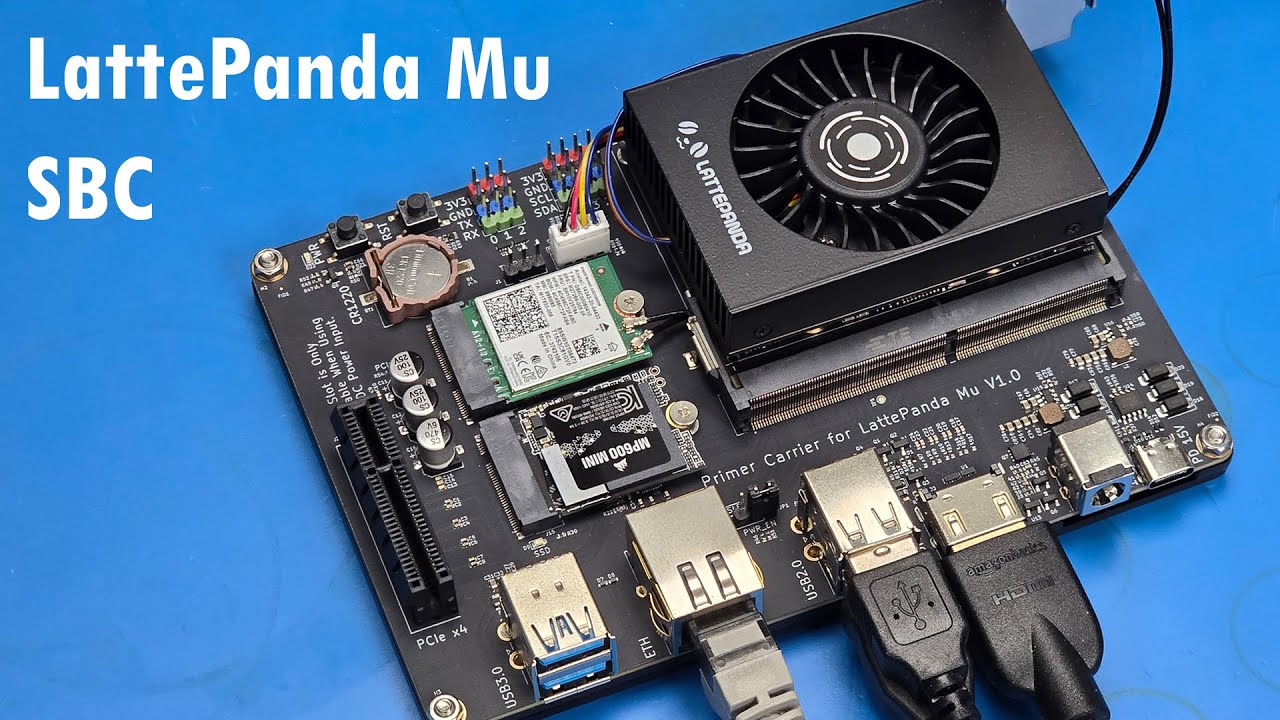
SDG #346 LattePanda Mu Small Board Computer
Hands-on with the LattePanda Mu compute module and carrier board: Intel N100, 8GB LPDDR5, PCIe x4, power draw tested and Raspberry Pi 5 compared.