SDG #160 All things SMT Microscope: Lighting, 0.5x 0.35x Camera attachments, Cameras, AF IMX290
A stereo microscope is only as good as the accessories bolted onto it, and this episode works through the parts of an SMT inspection setup that actually change how usable it is on the bench. The starting point is the Eakins black trinocular head, then the practical questions: how much working distance do you gain from auxiliary Barlow lenses, and what do you give up in magnification and field of view?
The 0.5x and 0.35x attachments are the headline comparison. Dropping to 0.5x roughly doubles working distance, which is the difference between having room for tweezers, a soldering iron and a hot air nozzle under the objective versus constantly fighting for clearance. The 0.35x pushes that further and widens the field of view enough to see a whole small board at once, useful for placing parts and hunting bridges rather than for close inspection of fine pitch joints. Neither is free: edge sharpness and effective magnification both take a hit, so the right choice depends on whether the scope is mainly for rework or for inspection.
Lighting gets similar treatment. Ring lights are convenient but can throw specular glare off solder joints and shiny packages, so angled or segmented illumination often reveals joint shape better. On the camera side, the trinocular port adaptor is compared against dedicated microscope cameras including the Hayear HY-2307 and an autofocus IMX290 module. The IMX290 is interesting because autofocus removes a lot of fiddling when the head is racked up and down, though it can hunt at high magnification. Also demonstrated is a 946C hotplate for reflowing paste, tying the optics setup back to real SMD assembly work rather than bench theory.
More Product Reviews

Festive Free Coupons and PCB Upgrades #electronicscreators #3dprinting #pcb
A quick look at December PCB fabrication offers: free pink, purple or matte black solder mask upgrades, half price 3D printing, and coupon codes.
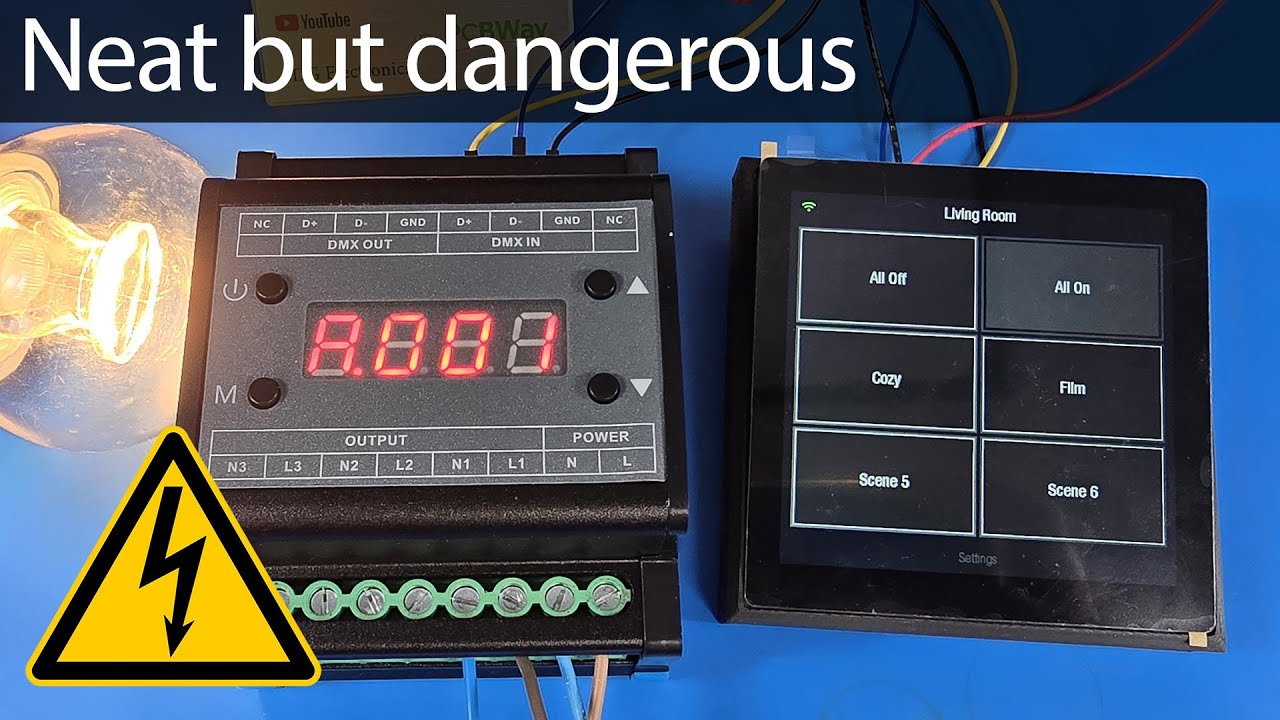
SDG #359 Dodgy AliExpress MOSFET-based multichannel AC Dimmer
Teardown and testing of a 3-channel DMX512 MOSFET AC trailing edge dimmer from AliExpress. Good circuit design, but the PCB isolation is a serious safety fail.
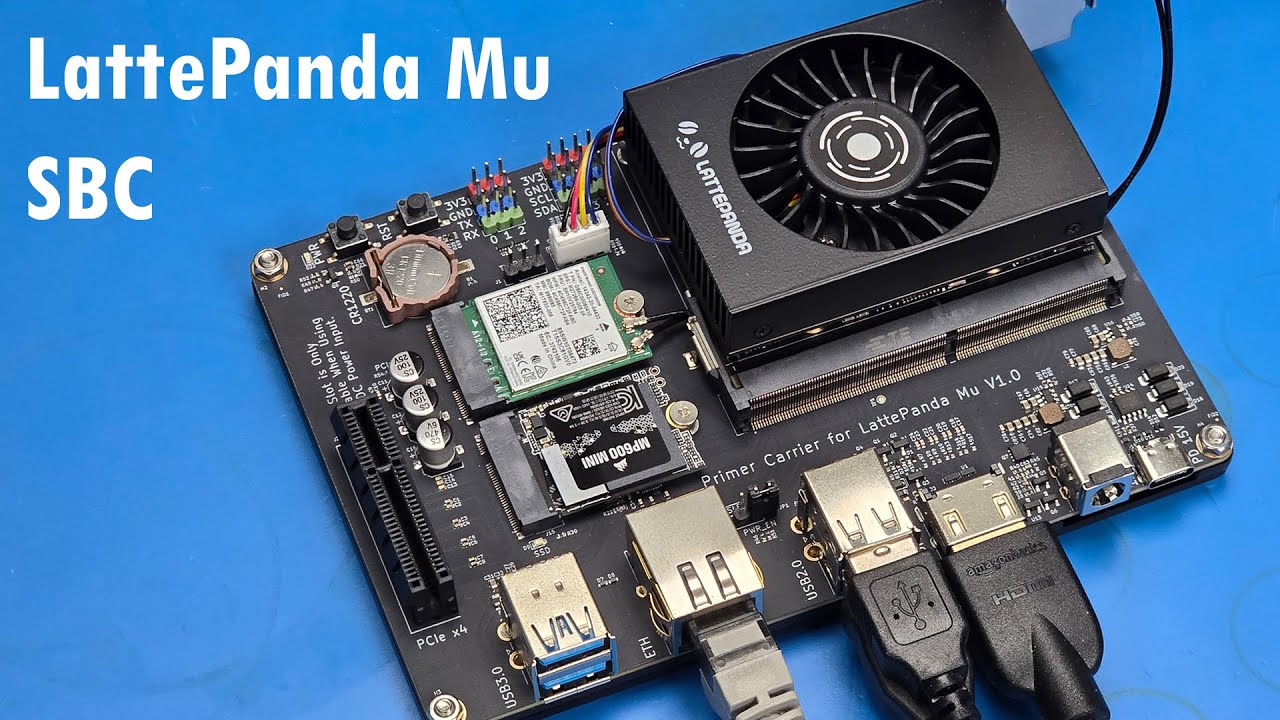
SDG #346 LattePanda Mu Small Board Computer
Hands-on with the LattePanda Mu compute module and carrier board: Intel N100, 8GB LPDDR5, PCIe x4, power draw tested and Raspberry Pi 5 compared.