SDG #025 Cambridge Audio A4 Amplifier Modifications
The Cambridge Audio A4 is a budget integrated amplifier from an era when decent audio hardware still used through hole construction and generously sized linear power supplies, which makes it an ideal candidate for refurbishment rather than replacement. This project walks through stripping the unit down to the bare chassis, assessing the condition of the electrolytics after years of service, and deciding which parts genuinely need attention versus which are simply old.
Recapping work uses Panasonic FC and FM series and Rubycon YXH electrolytics, chosen for low ESR and long life ratings at temperature rather than for any audiophile marketing claims. That distinction matters: in an amplifier, the parts that most benefit from replacement are the supply rail reservoirs and the small signal decoupling caps that sit near heat sources, since these are the components whose degradation actually shows up as hum, poor bass control, or intermittent behaviour. Desoldering is handled with a Metcal MX-5200, which highlights how much easier bulk board work becomes with sufficient thermal recovery, and a Meterman 37XR is used for measurement checks along the way.
The second half of the job is a practical usability fix rather than a repair. Cambridge Audio gave the A4 a clean but unlit front panel, which is awkward in a dimly lit listening room, so 3mm Wurth LEDs are fitted to provide subtle ambient illumination of the controls without turning the amplifier into a light show. It is a good example of a modification that respects the original design intent while making the unit nicer to live with, and the same approach transfers to plenty of other older hi-fi separates.
More Repairs

SDG #368 Tricky Repair: Cambridge Audio Bluetone 100 - No Bluetooth
Diagnosing a Bluetone 100 that plays analogue audio but won't pair. Scope traces, EEPROM dumps and a CSR8645 to CSR8675 module swap that finally works.

SDG #363 eBay NAD Direct Digital Amplifier D 7050 Repair - Lots of issues
Repairing a faulty eBay NAD D 7050 digital amplifier: cracked SMPS transformer, dead caps, blown OLED boost converter and a burnt out white LED.
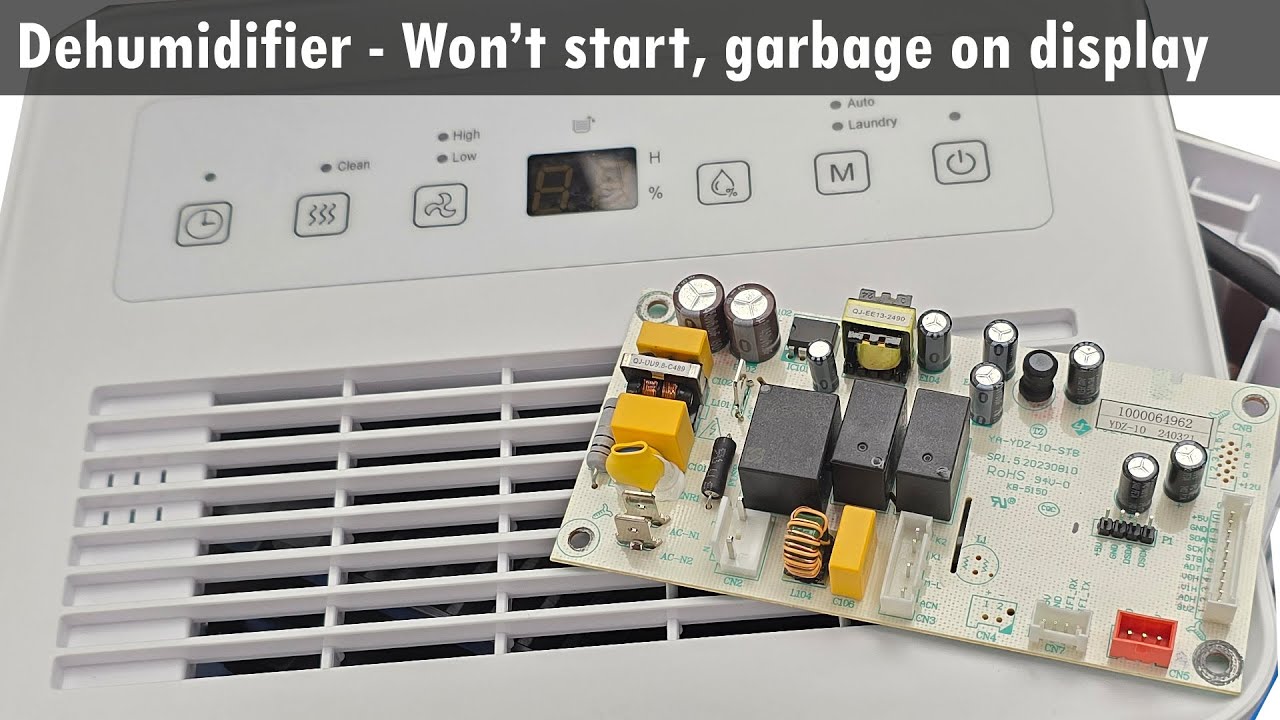
SDG #356 Repair of an Amazon Return Shinco Dehumidifier SDL5-10D
A faulty Shinco SDL5-10D dehumidifier bought for £5 as a customer return, diagnosed and fixed: blown display driver IC and an open-circuit resistor.