SDG #240 Repair and analysis of a Varilight V-Pro AC LED Dimmer Module
Mains dimmer modules are one of those parts that quietly fail after a few years of use, and this teardown of a Varilight V-Pro rotary LED dimmer shows why. The module is a trailing edge design intended to work with dimmable LED and CFL lamps as well as legacy incandescent loads, which means it has to switch inductive and highly capacitive supplies without tripping into instability. That complexity is exactly what makes the failure mode interesting.
The repair work covers the usual sequence for a dead mains switching board: visual inspection for heat damage and cracked joints, checking the switching semiconductor and its gate drive, then verifying the low voltage supply that powers the microcontroller and rotary encoder logic. Semiconductor testing with a component analyser is used to confirm whether the main switching device has failed short or open, which is the most common outcome when a dimmer is loaded near its rated maximum or driven by poor quality LED drivers.
Beyond the fix, there is real value in the circuit analysis. Tracing how the mains supply is derived, how the control section is isolated (or not) from the line, and how the heatsinking and derating are handled explains why these modules have such aggressive load deratings when used with LED lamps compared to filament bulbs. For anyone specifying dimmers in a domestic install, the practical takeaway is to stay well under the quoted LED wattage limit and expect the switching element to be the weak point. For repairers, it is a reminder that these units are often economically fixable if the fault is a single semiconductor rather than a damaged control IC.
More Repairs

SDG #368 Tricky Repair: Cambridge Audio Bluetone 100 - No Bluetooth
Diagnosing a Bluetone 100 that plays analogue audio but won't pair. Scope traces, EEPROM dumps and a CSR8645 to CSR8675 module swap that finally works.

SDG #363 eBay NAD Direct Digital Amplifier D 7050 Repair - Lots of issues
Repairing a faulty eBay NAD D 7050 digital amplifier: cracked SMPS transformer, dead caps, blown OLED boost converter and a burnt out white LED.
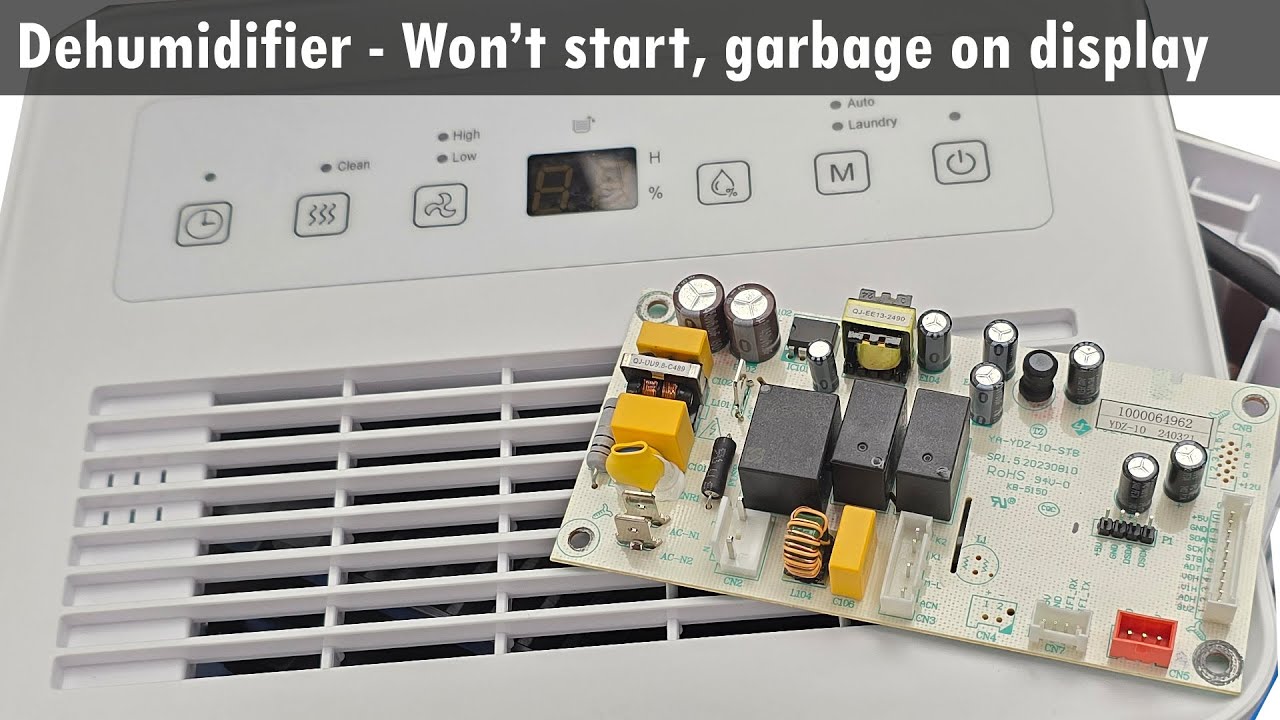
SDG #356 Repair of an Amazon Return Shinco Dehumidifier SDL5-10D
A faulty Shinco SDL5-10D dehumidifier bought for £5 as a customer return, diagnosed and fixed: blown display driver IC and an open-circuit resistor.