SDG #226 Metcal High Thermal Demand Soldering Handpiece CV-H6-HTD, MX-H6-HTD, HCV Cartridges
Metcal’s high thermal demand range, the CV-H6-HTD (Connection Validation) and MX-H6-HTD handpieces along with the matching HCV cartridge family, exists for one specific problem: joints that suck heat away faster than a standard cartridge can replace it. This review looks at what actually changes versus the standard Advanced handpiece, since the Curie point operating temperature is fixed by the cartridge rather than adjustable by the user, so the only lever Metcal can pull is thermal mass, tip geometry and coupling efficiency.
The practical testing is the interesting part. Soldering to an aluminium backed LED PCB is the realistic worst case many people meet in the field, and it is used here to compare a temperature controlled cartridge iron (the PACE ADS200) against the standard Metcal Advanced handpiece and then the HTD setup. The 3mm solid copper sheet test pushes things well beyond anything most hobbyists will attempt, and it is where the difference between raw tip temperature and sustained heat delivery becomes obvious: a station running at an elevated setpoint can brute force a joint, while the Metcal has to rely on the cartridge’s ability to keep pumping power into the load at a lower, self regulated temperature. A JBC DDE with a C245 cartridge is brought in as a further reference point.
The takeaway for buyers is about matching tooling to workload. If your work is mostly boards, connectors and general assembly, the HTD parts are overkill and the standard cartridges will be more comfortable. If you regularly solder to heavy ground planes, metal backed PCBs, busbars or large lugs, the extra thermal headroom is what stops you resorting to unnecessarily hot tips or long dwell times. The Connection Validation compatibility is a useful bonus for anyone already invested in the CV-5200 platform.
More Soldering Iron Reviews

SDG #373 Ultimate Precision Soldering Setup – Metcal Micro-Fine Iron & Tweezers + PCBWay PCBs
Hands-on with Metcal's MX-H9 micro-fine soldering iron and MX-H10 tweezers: cartridge range, microscope ergonomics, 01005 rework and JBC comparisons.
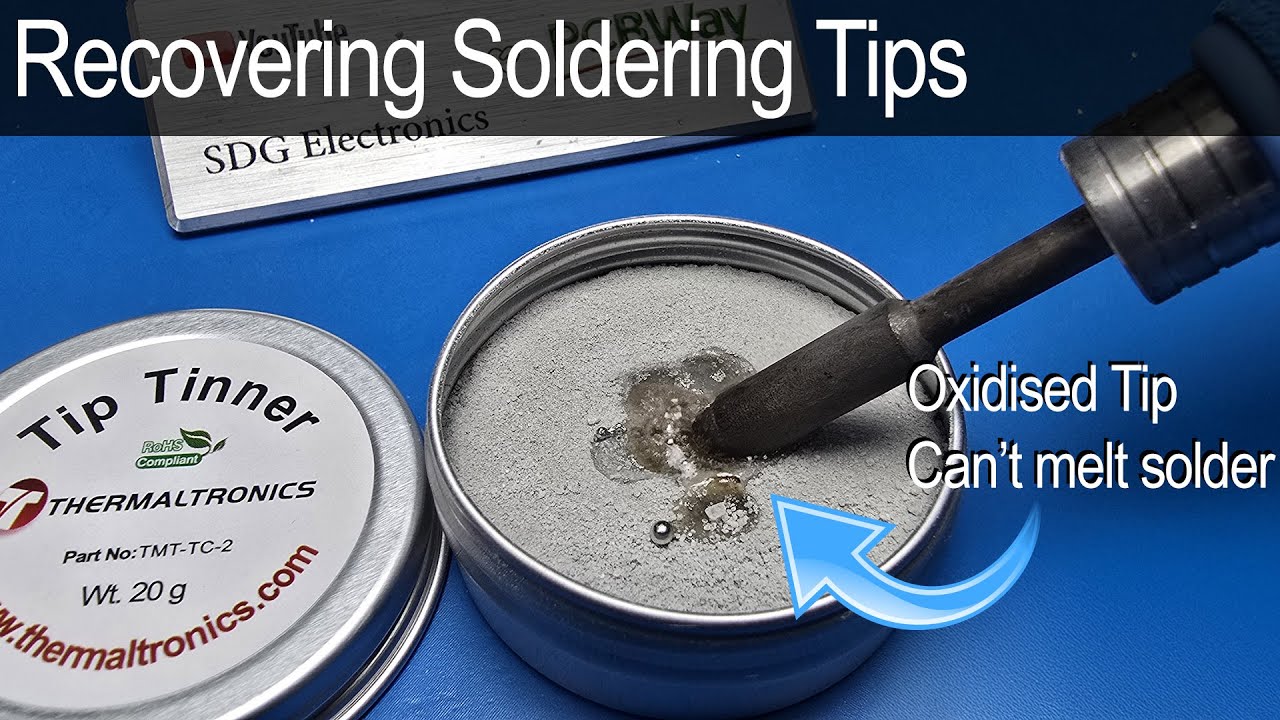
SDG #372 Solder Not Melting? Here’s Why (and How to Fix Your Iron Tip)
Damp sponge, brass wool, JBC Inox wool, rosin, tip tinner and sal ammoniac tested on badly oxidized soldering tips. See what actually works.

SDG #371 Geeboon HC24 Low Cost High Power Soldering System for JBC handpieces.
Testing the Geeboon HC24 SMPS soldering station with T470, T245 and T115 JBC handpieces: teardown, calibration, tip leakage, firmware fix and fan noise.