SDG #019 Peak LCR45 LCR Meter Review and Teardown
The Peak Electronics Atlas LCR45 sits in an unusual niche: a pocket sized, battery powered component analyser that identifies whether a part is an inductor, capacitor or resistor and then measures it automatically, rather than asking the user to pick a range or a function. This review looks at how well that automatic approach holds up in practice, and whether the results are trustworthy enough to rely on when characterising unmarked parts pulled from a scrap board.
Coverage includes the physical build quality of the plastic enclosure and the fixed test leads, the clarity of the two line display, and how the unit handles measurements near the edges of its range, where small inductors and low value capacitors become hard for any handheld instrument to resolve. Test frequency selection matters here: the LCR45 chooses its own drive frequency depending on the component, and the review explains why that affects the numbers you see when comparing against a bench LCR bridge. Extra readings such as Q factor, phase angle and impedance at a chosen frequency are also discussed, since those are the features that separate this from a basic component tester.
The teardown opens the case to show the PCB layout, microcontroller and analogue front end, giving a sense of how much circuitry Peak has fitted into such a small footprint and how repairable or serviceable the unit is likely to be.
For buyers, the practical question is whether a dedicated auto ranging LCR meter earns its place alongside cheap all in one component testers. This review sets out where the LCR45 justifies the price difference and where a bench instrument is still the better tool.
More Product Reviews

Festive Free Coupons and PCB Upgrades #electronicscreators #3dprinting #pcb
A quick look at December PCB fabrication offers: free pink, purple or matte black solder mask upgrades, half price 3D printing, and coupon codes.
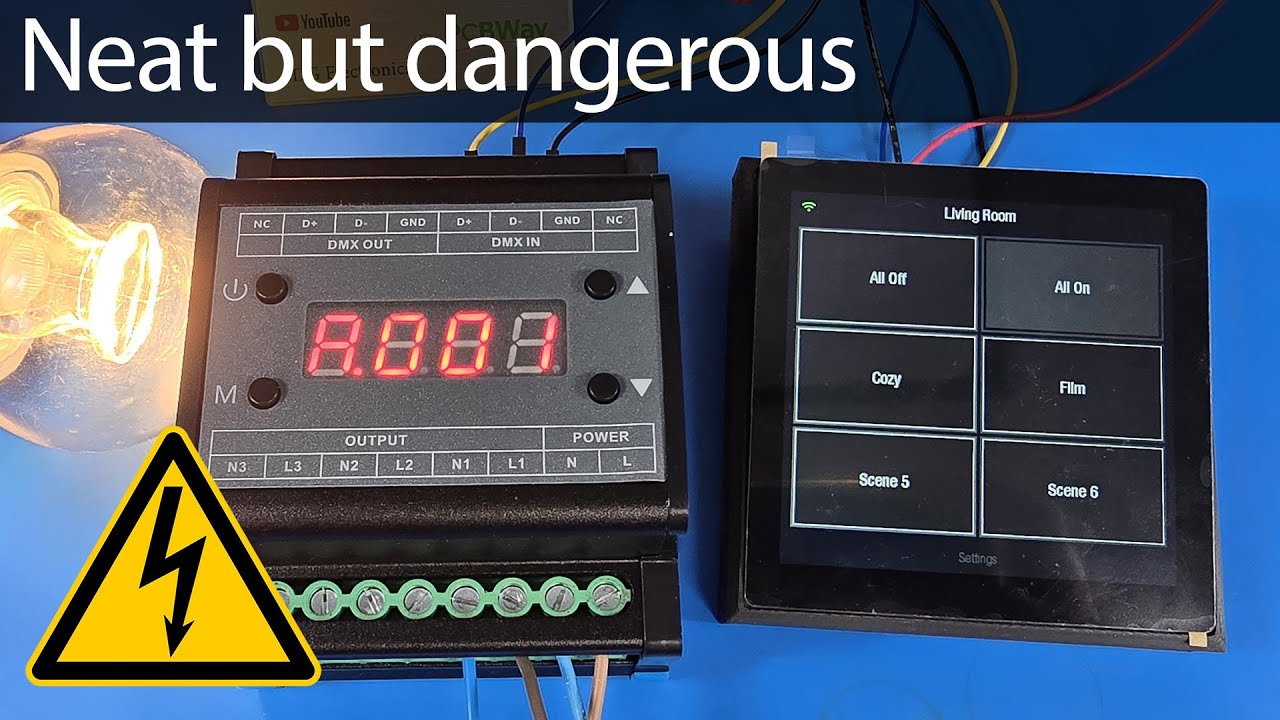
SDG #359 Dodgy AliExpress MOSFET-based multichannel AC Dimmer
Teardown and testing of a 3-channel DMX512 MOSFET AC trailing edge dimmer from AliExpress. Good circuit design, but the PCB isolation is a serious safety fail.
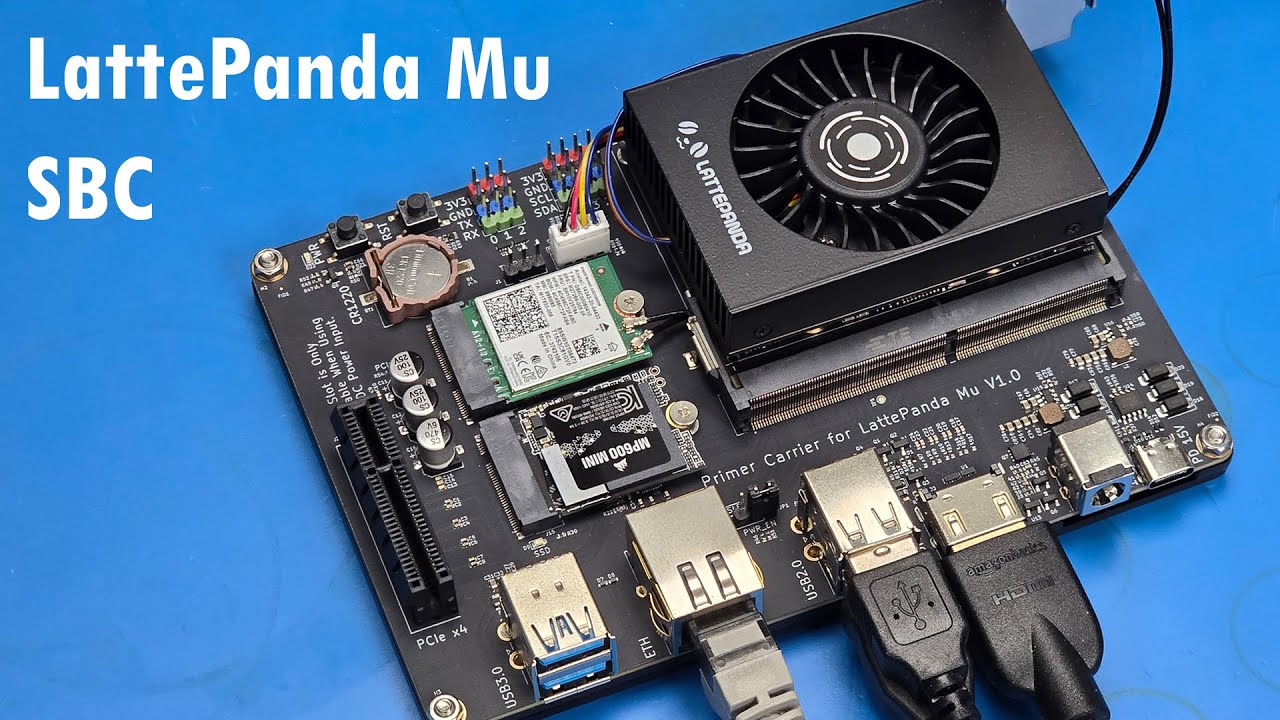
SDG #346 LattePanda Mu Small Board Computer
Hands-on with the LattePanda Mu compute module and carrier board: Intel N100, 8GB LPDDR5, PCIe x4, power draw tested and Raspberry Pi 5 compared.